Índice
What Is a Top Hammer Button Bit?
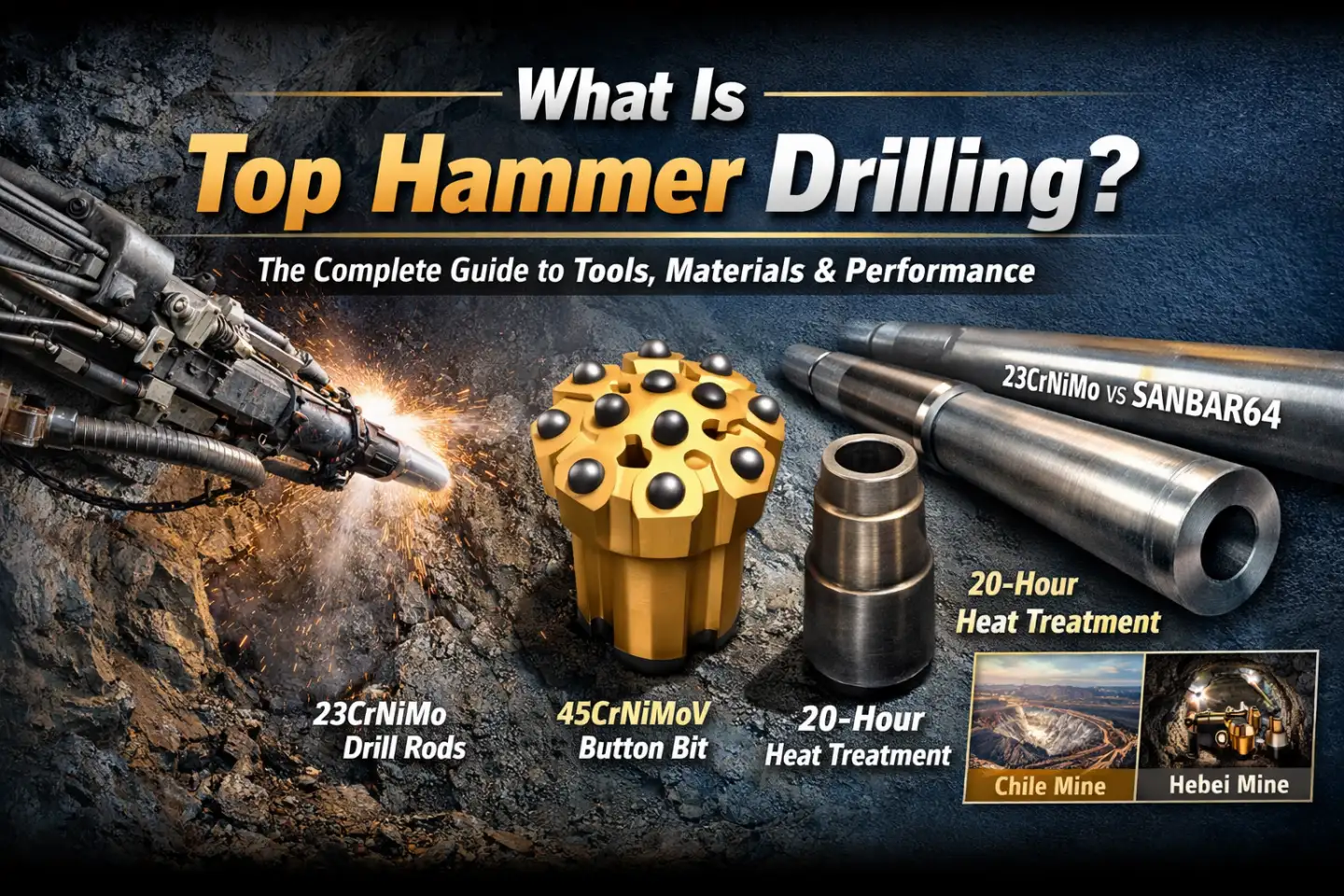
Puntas de botón Top Hammer are specialized drilling tools used primarily in mining, water well drilling, and quarrying operations. Characterized by their robust construction and efficient design, these bits feature tungsten carbide buttons that facilitate effective rock penetration, enhancing drilling performance in various geological conditions.
Their notable versatility and reliability have made them a staple in industries requiring precise and durable drilling solutions. The significance of top hammer button bits lies in their ability to withstand harsh drilling environments while maintaining high penetration rates.
Their construction typically involves high-grade steel and tungsten carbide, designed to endure the intense stresses associated with drilling operations. Innovations in design have introduced advanced materials and smart technologies, further improving efficiency and operational longevity. However, the initial costs and competition from lower-priced alternatives remain challenges for widespread adoption.
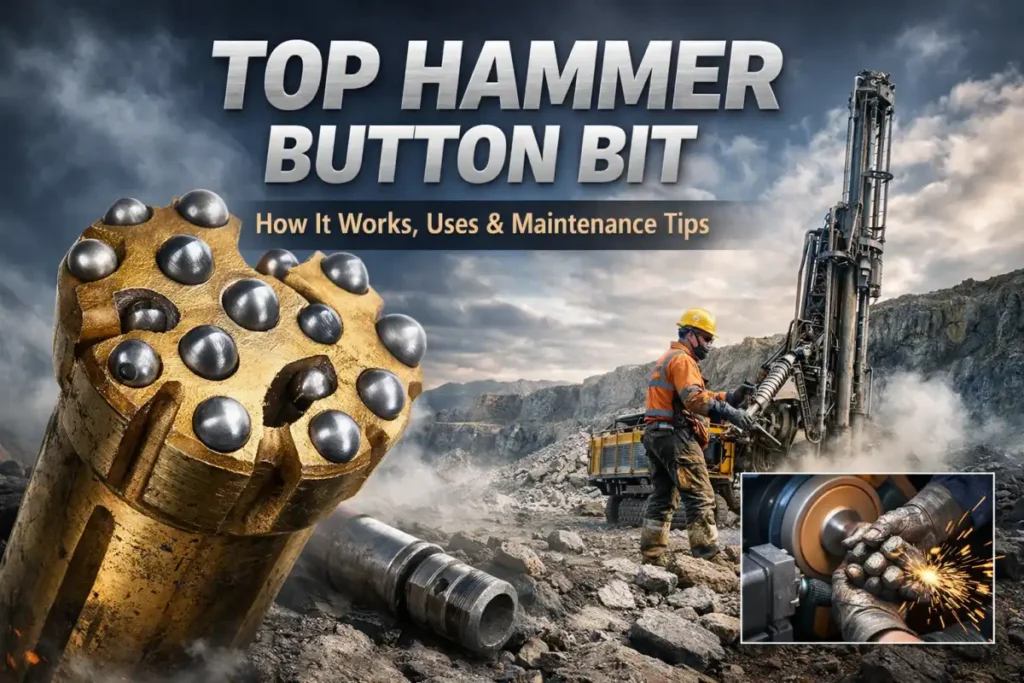
Top hammer button bits operate through a combination of rotational and impact forces, optimizing energy transfer to fracture rock efficiently. This dual-action mechanism, alongside the careful selection of bit design tailored to specific rock types, ensures that these tools provide maximum productivity while minimizing downtime.
Ongoing developments in monitoring and maintenance practices are enhancing the management of these bits, allowing operators to track performance metrics and conduct timely repairs. Despite their many advantages, the market for top hammer button bits faces pressures related to environmental sustainability and the need for eco-friendly manufacturing practices.
As industries evolve, manufacturers are increasingly focusing on reducing their ecological footprint, developing sustainable solutions that align with both operational efficiency and environmental stewardship.
Design and Construction
The design and construction of top hammer button bits are crucial for their performance in various drilling applications. These bits are engineered to optimize penetration rates, enhance durability, and improve overall efficiency in drilling operations.
Materials Used
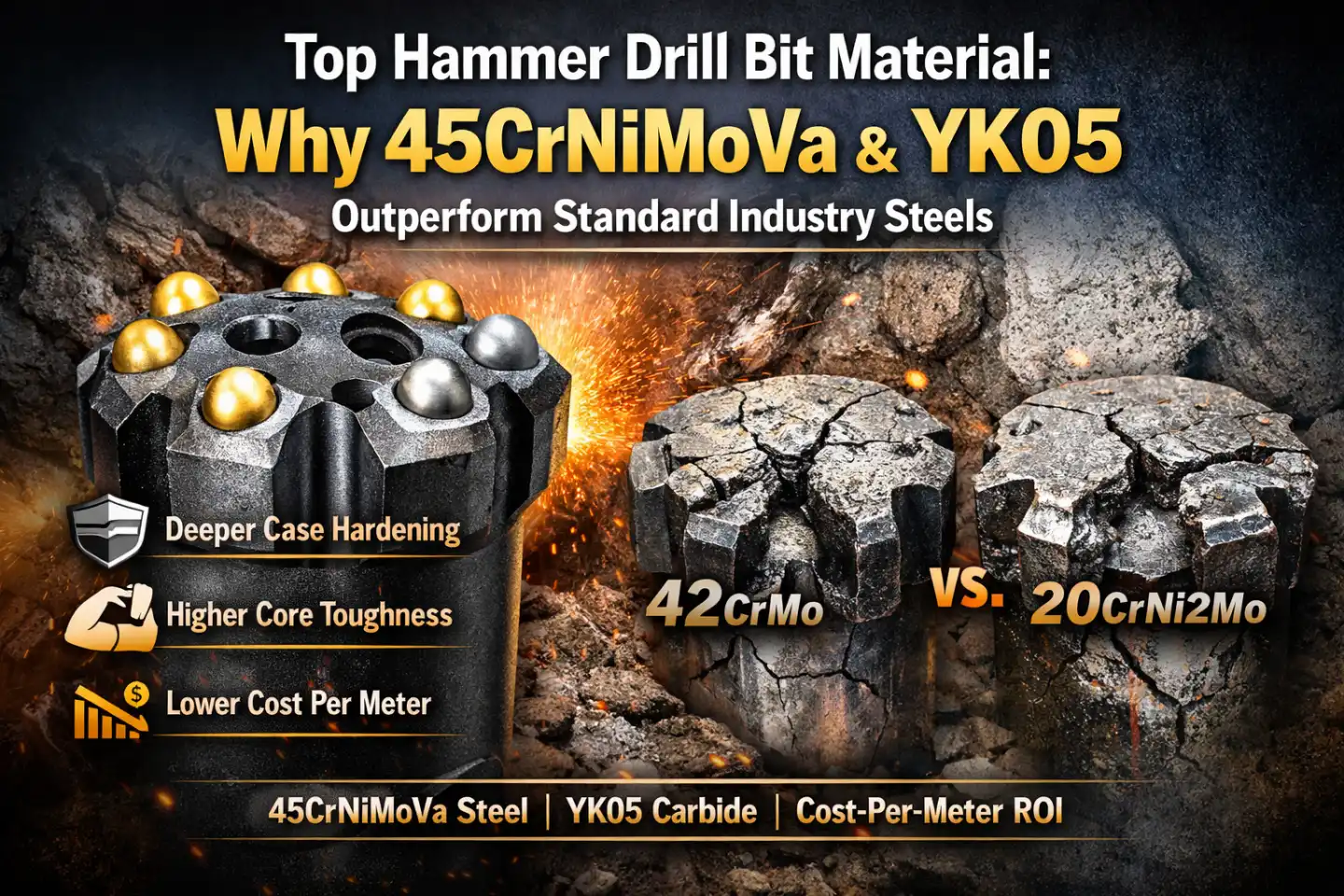
The primary materials used in the construction of button bits include high-grade 45CrNiMoVa steel y Carburo de wolframio YK05[View: Material de la broca para taladro percutor superior: 45CrNiMoV & YK05]. The bit body is typically made from tough alloy steel, which must withstand the intense percussive forces encountered during drilling. This steel is chosen for its ability to resist fatigue and deformation, thus maintaining the bit’s integrity throughout its operational life.
In contrast, tungsten carbide is utilized for the buttons—small cutting elements embedded within the bit that are critical for rock penetration. These buttons can come in various shapes, such as spherical, ballistic, and conical, each designed to optimize performance for specific rock types and drilling strategies.

Bit Design Features
Button bits feature unique design elements that contribute to their effectiveness. A typical button bit includes multiple tungsten carbide buttons arranged across the face, which maximize contact with the rock surface, thereby improving penetration and reducing wear.
The arrangement and shape of these buttons are tailored to match the geological conditions of the drilling site. For instance, spherical buttons are particularly effective for hard, abrasive rock, as they provide resistance to breakage and ensure longer drilling life.
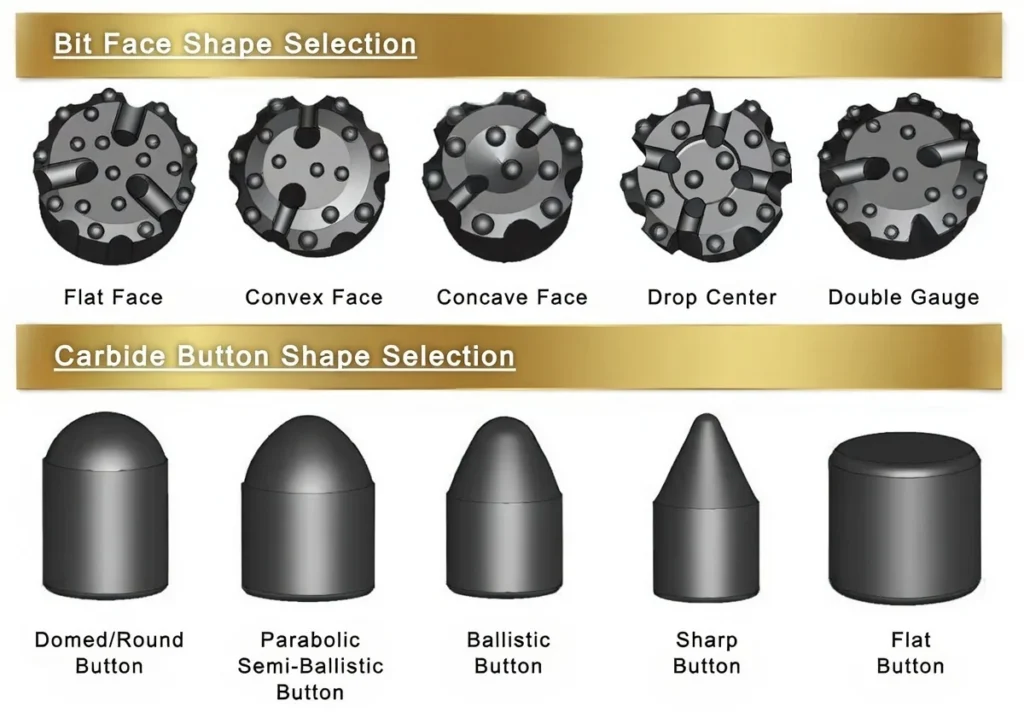
In addition to the button design, the face patterns of the bit are engineered to facilitate debris removal during drilling, enhancing cooling and reducing the risk of thermal fatigue. The geometry of the bit body is also designed to optimize strength while minimizing weight, allowing for efficient handling and reduced energy consumption during drilling.
Descubra más: Tipos de brocas para taladro percutor superior:Diseño de cara y forma de botón
Working Principle
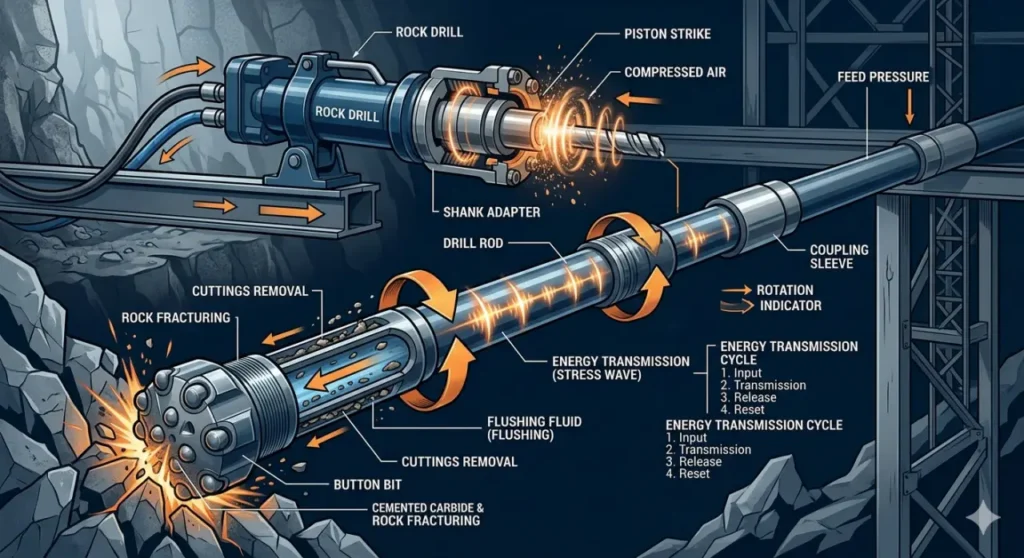
The top hammer drilling system operates primarily through the combined action of rotation and impact. This technique utilizes compressed air pressure generated by the rock drill alongside the elastic force of the drill components to facilitate rock penetration.
The drill rod, driven by the drill rig, rotates the button bit while simultaneously applying an impact force. This rotation is essential as it enables the drill bit to effectively fracture the rock, while the high-frequency impacts contribute to efficient drilling.
Components and Functions
The system comprises several critical components that work together to optimize performance:
- Drill Bit: The drill bit serves as the final energy receiver, directly impacting the rock. Its face is equipped with cemented carbide buttons, which are designed to deliver the necessary impact force.The design of the bit varies depending on the geological conditions, with specific configurations like cross bits and button bits tailored for different applications.
- Drill Rod: Acting as the energy transmission channel, the drill rod transfers both the impact stress wave and rotational torque from the shank adapter to the drill bit. The rods are hollow to allow for the passage of flushing fluid, which plays a critical role in removing rock cuttings and maintaining drilling efficiency.
- Adaptador de vástago: This component connects the rock drill to the drill string, receiving high-frequency impacts from the piston and transferring both impact energy and torque to the drill rods. The precise design of the shank adapter is essential for effective energy transfer and operational stability.
Energy Transfer Cycle
The energy transfer process can be broken down into four key stages:
- Energy Input: The piston strikes the shank adapter, initiating the energy transfer process.
- Energy Transmission: The stress wave travels through the drill rods and coupling sleeves.
- Energy Release: The stress wave reaches the drill bit, leading to the fracture of the rock.
- Reset: Rotation and flushing prepare the system for the next impact, ensuring continuous operation.
Precision and Stability
The position of the hammer at the bottom of the hole acts as a natural stabilizer, guiding the drill bit and minimizing deviation during drilling.Proper feed pressure is also crucial as it ensures that the drill bit maintains firm contact with the rock face, facilitating efficient energy transfer and stabilizing the drill string against recoil forces produced by the piston strikes.Insufficient or excessive feed pressure can lead to issues such as poor contact, energy loss, and rod deviation, all of which may adversely affect drilling performance.
Aplicaciones
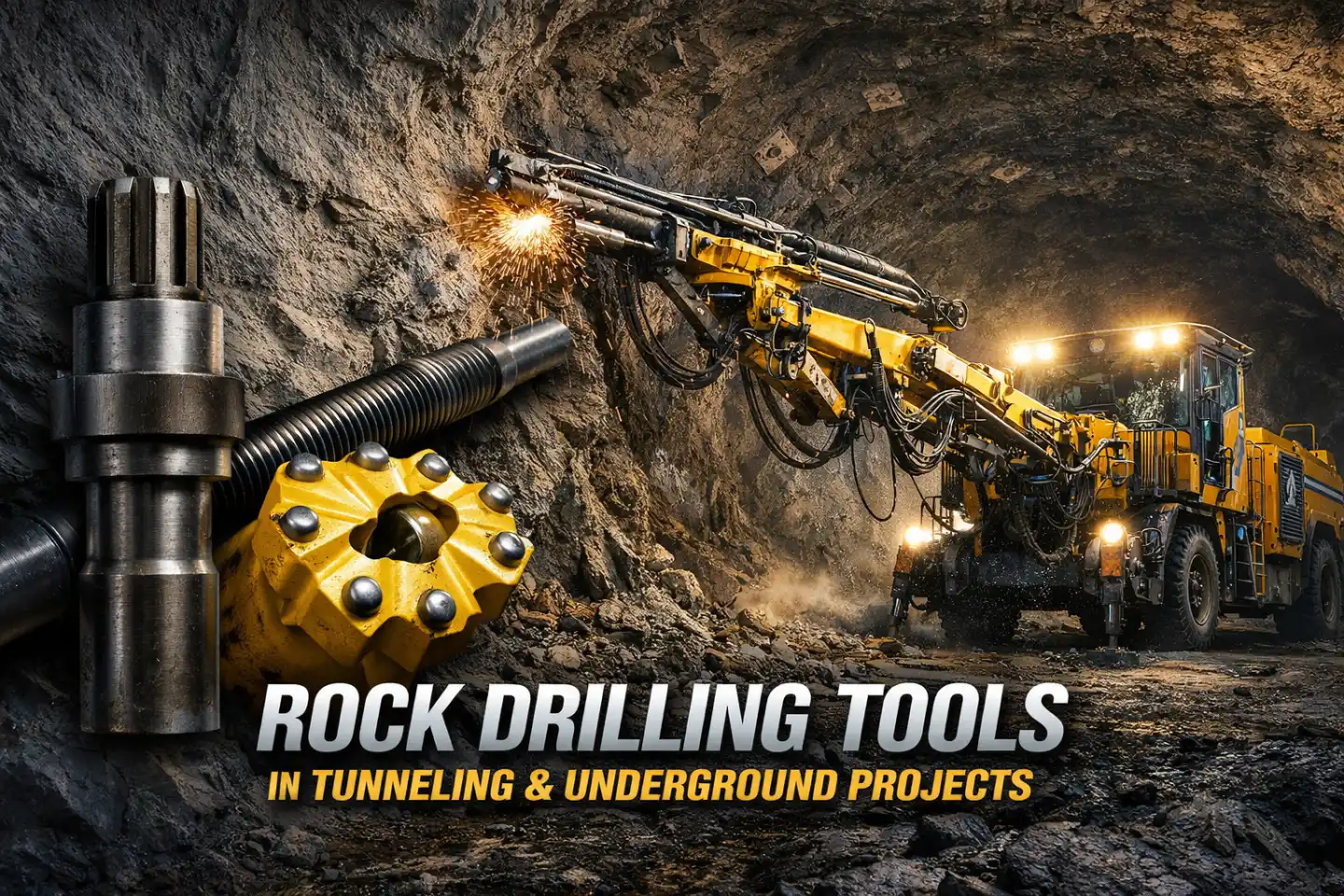
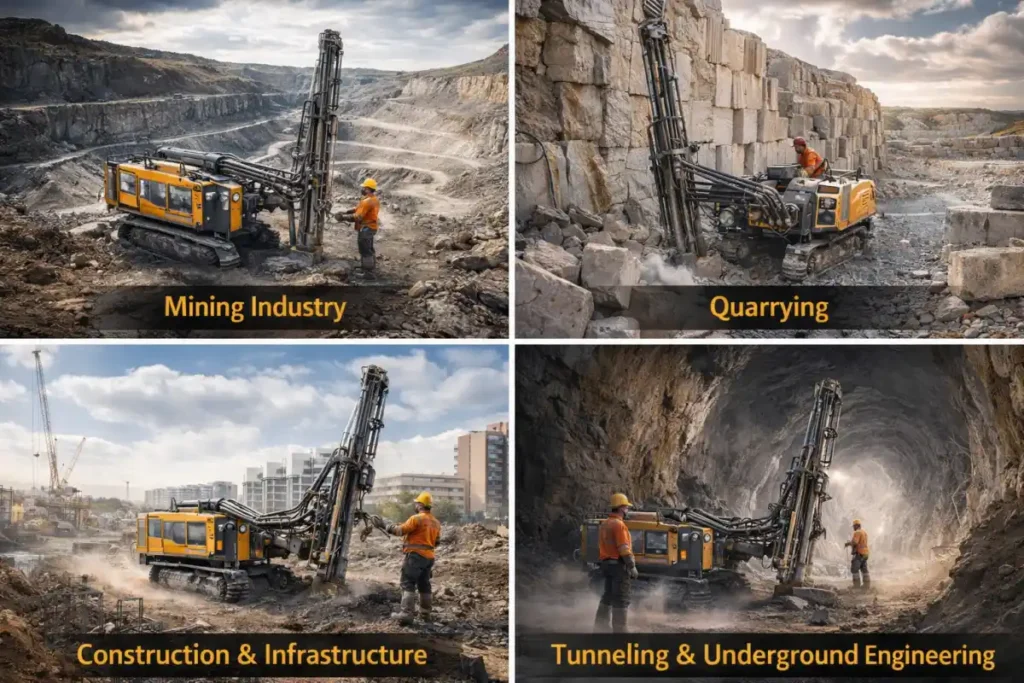
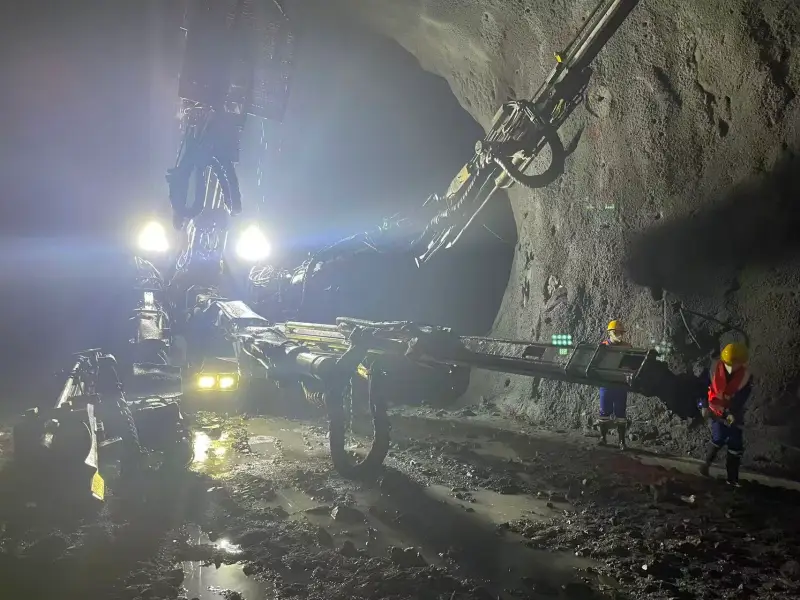
Top hammer button bits are versatile tools designed for a variety of drilling applications, playing a crucial role in sectors such as tunneling, quarrying, and mining. Their unique design and material composition make them particularly effective in challenging geological conditions, enhancing overall drilling performance and efficiency.
Mining
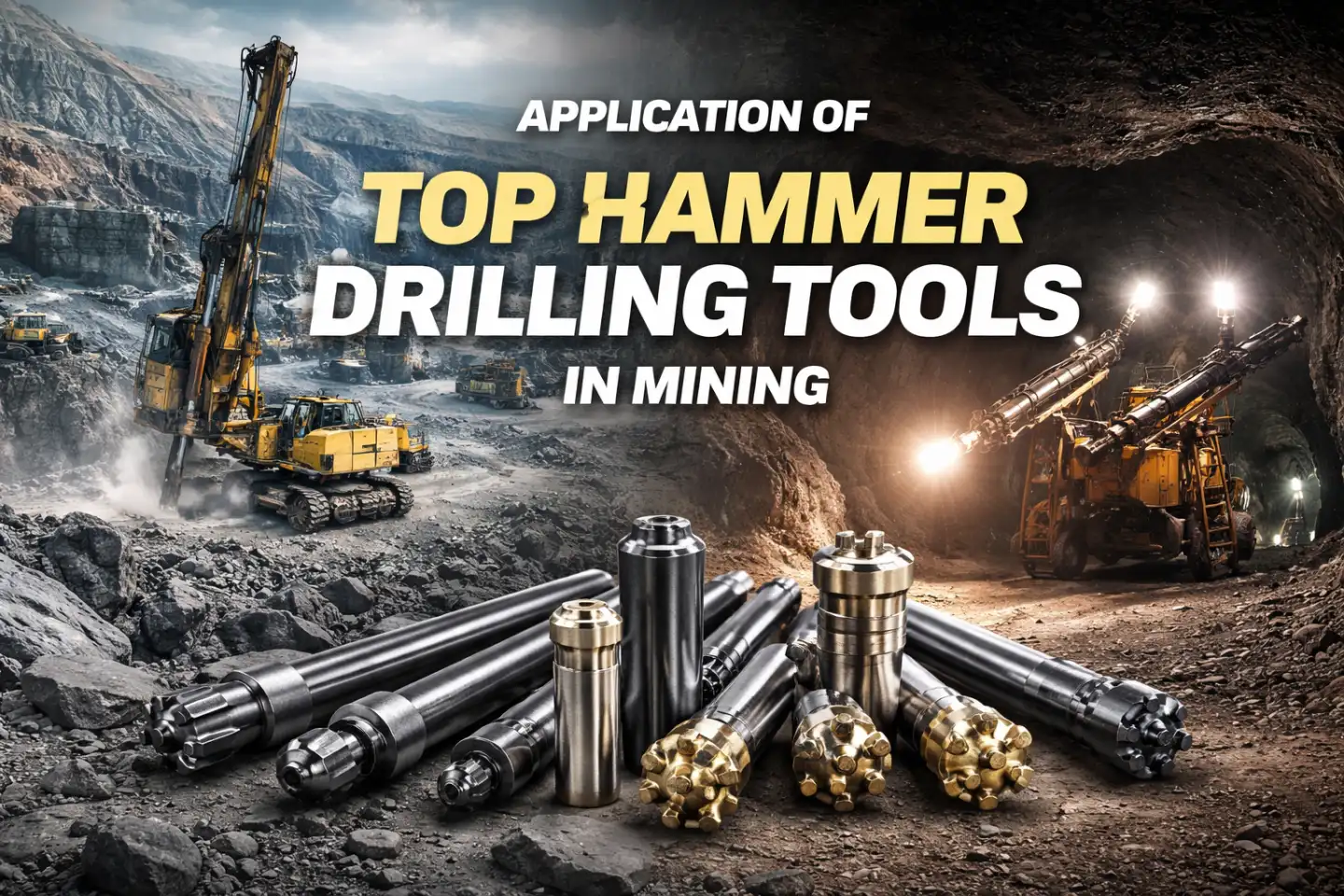
Mining applications benefit significantly from the use of top hammer button bits. These bits are engineered to withstand the harsh conditions typically encountered in mining environments, where durability and performance are paramount. Advanced materials and innovative designs help improve drilling efficiency and extend the service life of the bits, which translates into substantial cost savings and increased productivity for mining operations.
Quarrying
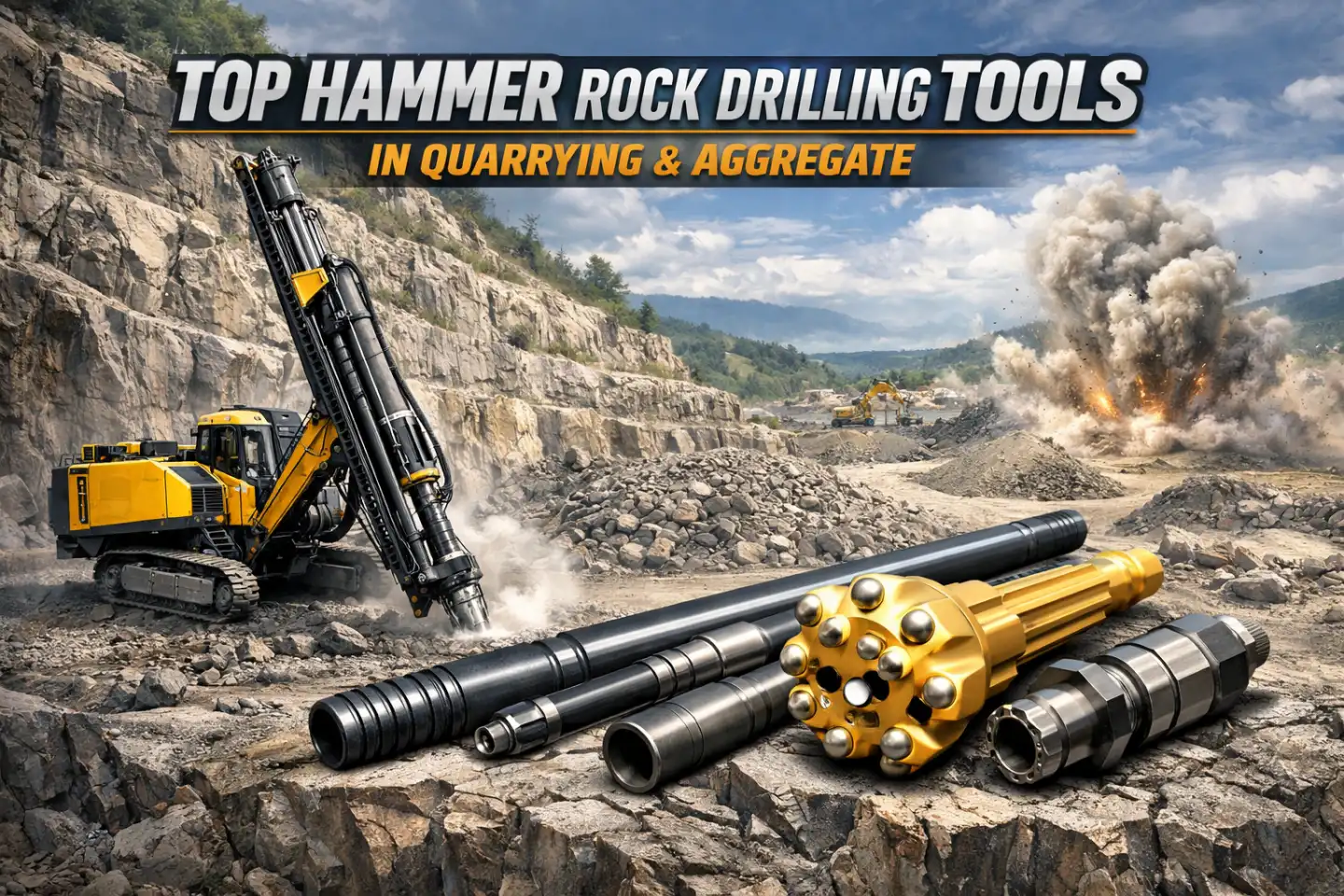
The quarrying industry relies on top hammer button bits for the extraction of stone and minerals. The innovative button design, often featuring tungsten carbide buttons, provides enhanced cutting efficiency, enabling operators to achieve higher penetration rates and prolonging the lifespan of the bits, which is critical in maximizing productivity and reducing costs.
Performance Factors
The performance of top hammer button bits is influenced by several critical factors that affect their efficiency and durability during drilling operations.
Rock Hardness and Abrasiveness
The hardness and abrasiveness of the rock being drilled are primary determinants of bit performance. Harder rock formations require stronger and more durable bits to withstand the increased wear and tear associated with drilling.
For instance, tungsten carbide inserts are crucial in button bits designed for hard and abrasive materials like granite, which can significantly accelerate wear on both the buttons and the steel body of the bit.Therefore, selecting the appropriate bit material and design is essential for maintaining optimal drilling efficiency and longevity.
Drilling Parameters
Various drilling parameters, such as hole diameter, drilling depth, and impact energy, also play a vital role in the effectiveness of top hammer button bits. Larger holes typically necessitate bits with more carbide buttons to distribute the stress evenly and prevent premature failure.
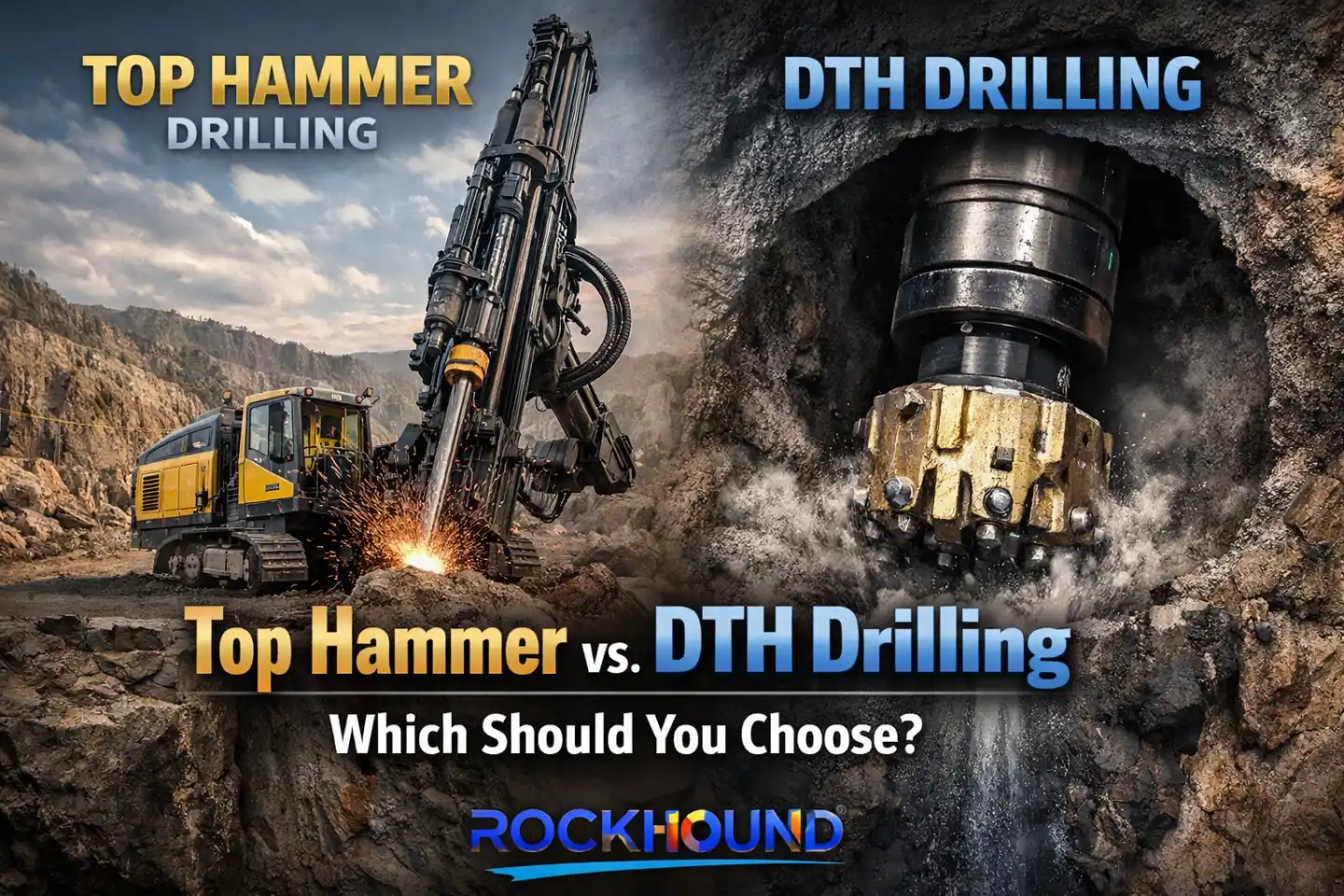
Additionally, the method of drilling—such as down-the-hole (DTH) hammer setups or bench drilling—affects which bit designs are most suitable for a given application. Matching the bit type to the specific geological conditions can enhance penetration rates and reduce costs associated with bit replacements
Bit Design and Configuration
The design and configuration of button bits are tailored to address different rock conditions. For example, the shape and layout of the buttons, whether spherical or ballistic, can influence the bit’s penetration rate and durability. Various designs enable bits to perform effectively across a range of rock types, with specific configurations enhancing chip removal and stability while minimizing uneven wear and hole deviation.
Monitoring and Maintenance
Modern maintenance practices utilize sophisticated monitoring techniques to ensure optimal bit performance. Real-time data collection systems track key metrics such as penetration rates and air consumption, which help identify performance deviations and potential maintenance issues before they escalate into significant failures.
Effective diagnostic procedures enable maintenance teams to systematically address multiple related problems during maintenance activities, thereby maximizing uptime and extending bit lifespan.
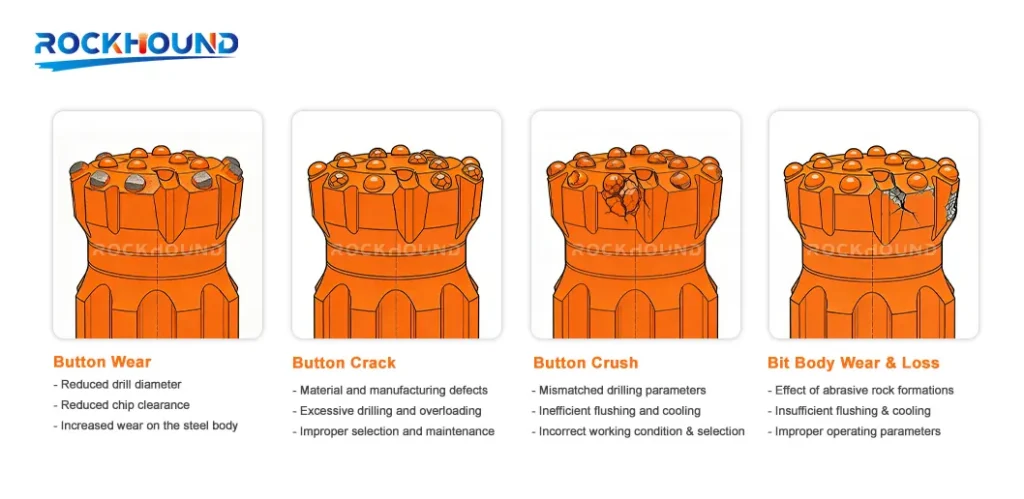
Comparison of Top Hammer Button Bits: Advantages vs. Disadvantages
| Category | Advantages (Pros) | Disadvantages (Cons) |
|---|---|---|
| Cost & Investment | Long-term Savings: High durability and less frequent replacements lead to lower operational costs over time. | High Initial Investment: The upfront cost for advanced materials and technology can be a barrier for small to medium enterprises. |
| Performance | High Efficiency: Exceptional durability in harsh environments and superior energy transfer for faster drilling. | Environmental Pressure: Increasing demand for sustainable practices requires ongoing, potentially costly product adaptation. |
| Market Factors | Accessibility: Omnichannel distribution strategies ensure products are easy for customers to find and purchase. | Tough Competition: The market is crowded with low-cost alternatives and counterfeit products that can impact market share. |
| Aplicación | Versatility: Effective across various projects, including mining, water well drilling, and quarrying. | Innovation Challenges: Meeting new ecological and performance standards imposes extra hurdles in product development. |
| Speed & Quality | Fast Penetration: Unmatched speed in hard rock formations with improved hole quality and energy conversion. | — |
Maintenance and Care
Troubleshooting Common Issues
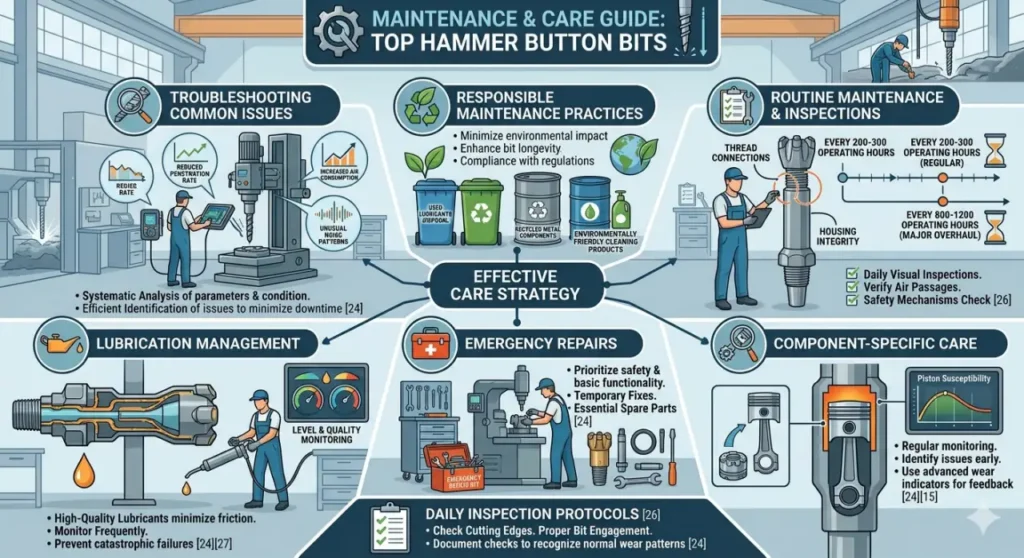
Identifying performance degradation requires systematic analysis of operational parameters and component condition. Signs such as reduced penetration rates, increased air consumption, and unusual noise patterns indicate specific maintenance needs. Diagnostic procedures should systematically eliminate potential causes, ensuring efficient identification of issues while minimizing downtime.
Responsible Maintenance Practices
Effective maintenance practices are crucial for minimizing environmental impact and enhancing the longevity of top hammer button bits. Responsible maintenance includes proper handling and disposal of lubricants, cleaning solvents, and worn components. Implementing spill prevention measures and approved disposal methods not only protects natural resources but also ensures compliance with environmental regulations.
Companies are increasingly adopting sustainable maintenance practices to meet corporate environmental responsibility goals, which include recycling programs for metal components and using environmentally friendly cleaning product.
Routine Maintenance and Inspections
Establishing comprehensive daily inspection routines is fundamental for effective hammer maintenance. Technicians should conduct visual inspections before each operational shift, checking for signs of wear, damage, or contamination, particularly focusing on thread connections and housing integrity. Regular maintenance schedules are typically recommended every 200-300 operating hours, with major overhauls planned every 800-1200 hours depending on operational conditions. Daily checks should also include verifying air passage clearances and ensuring that all safety mechanisms function correctly.
Lubrication Management
Proper lubrication is one of the most critical aspects of hammer maintenance. It significantly affects the longevity and reliability of components. High-quality lubricants minimize friction, dissipate heat, and protect against contamination and corrosion. Maintenance teams should monitor lubricant levels and quality frequently to prevent catastrophic failures. Regular lubricant analysis can help detect early signs of wear, allowing for repairs to be scheduled during planned downtime.
Emergency Repairs
In cases where immediate repairs are necessary, emergency repair strategies should prioritize safety and basic functionality. This includes assessing risks and employing temporary fixes that do not compromise long-term reliability. Emergency repair kits should include essential spare parts and specialized tools, with training provided to personnel in emergency repair techniques.
Component-Specific Care
Certain components, such as the piston and cylinder assembly, require particular attention during routine maintenance due to their susceptibility to wear. Regular monitoring of these areas helps identify issues before they lead to costly equipment failures.
Additionally, using advanced wear indicators can provide real-time feedback on the condition of mining drill bits, allowing for timely maintenance and replacement.
Daily Inspection Protocols
Daily inspection protocols should include checking the condition of cutting edges and ensuring proper bit engagement. Documentation of these checks contributes to valuable maintenance records, helping operators recognize normal wear patterns versus those that require immediate attention.
PREGUNTAS FRECUENTES
Top hammer button bits are used for rock drilling in mining, quarrying, construction, and tunneling, especially in medium to hard rock formations.
The shape is tailored to specific geological conditions:
- Spherical Buttons: Best for hard, abrasive rock because they are highly resistant to breakage and offer a longer service life.
- Ballistic/Other Shapes: Often used to increase penetration rates in softer or less abrasive formations where speed is prioritized over maximum durability.
The system relies on three main parts working in unison:
Adaptador de vástago: The interface that receives the impact from the piston and transfers torque.
Drill Rod: The hollow "bridge" that transmits the stress wave and carries flushing fluid to clear debris.
Broca: The final component equipped with carbide buttons that directly fractures the rock.
Performance is primarily driven by rock hardness and abrasiveness. For example, drilling into granite accelerates wear significantly compared to softer rock. Other factors include proper feed pressure (to ensure firm contact and prevent energy loss) and the effectiveness of the flushing fluid in removing cuttings.
The primary benefits include:
High Penetration Speed: Unmatched efficiency in hard rock.
Durability: Use of high-grade tungsten carbide reduces replacement frequency.
Versatility: Suitable for diverse applications like water well drilling, quarrying, and underground mining.
Muy lejos, tras las montañas de la palabra, lejos de los países Vokalia y Consonantia, viven los textos ciegos. Separados viven en Bookmarksgrove justo en la costa
Operators should look for:
Noticeable drops in penetration rates.
An increase in air consumption.
Unusual noise patterns or vibrations during operation.
Visible wear or flattening of the carbide buttons.